


BRUXISM SPECIALISTS IN MADRID
Are you looking for bruxism treatment in Madrid? At the Fernando Soria dental clinic in Madrid, we specialize in the diagnosis and treatment of bruxism, with some of the best specialists in Spain and the most advanced resources and materials in dentistry.
You are facing one of the most common conditions, and one of the most worrying for dentists, because of its very high prevalence and its very serious consequences, not only for oral health but also for overall health.
Bruxism is a disease that is underdiagnosed (only a minority of those who have it are aware of it) and poorly treated. This is a fact we should keep very much in mind since, as with any disease, a wrong diagnosis and inadequate treatment can cause a serious problem, in this case the loss of teeth.
As a bruxism expert, I insist that a correct, timely diagnosis is enough to prevent more serious consequences. Patients only notice this condition when it is already at a very advanced stage, since at first it does not seem to cause any pain, even though it actually affects the entire nervous system (headaches, and pain in the jaw, neck, ears, back…)
WHAT IS DENTAL BRUXISM?
Bruxism is the habit some people have of unconsciously and involuntarily clenching or grinding their teeth for no functional purpose. It stems from a dysfunction of the central nervous system that causes hyperactivity of the jaw elevator muscles.
It shows up as an involuntary, continuous contraction of these jaw elevator muscles, usually at night, during sleep.
This contraction can be classified as static bruxism, known as clenching, or dynamic bruxism, which is tooth grinding, that is, bruxing.
It is essential to get an early diagnosis. You should see a specialist at least once every 6 months, instead of waiting until you are in severe pain or losing teeth. Prevention is the only way to keep your mouth healthy for life.
To get an idea of how serious it is, an average person does not usually rub their teeth together for more than 30 seconds a day, and only while chewing (assuming 4 meals a day), whereas a patient with bruxism will do so for 3000 seconds during the night alone, without realizing it.
This action causes pathological wear of the teeth, giving them a dental age that does not match the patient’s real age. In occlusion, this is what we call parafunction.
Bruxism affects almost 20% of the world’s population to a greater or lesser extent
CONSEQUENCES OF BRUXISM
We can distinguish between short-term and long-term consequences of bruxism
In the short term
This bad habit can cause headaches, as well as jaw and ear discomfort.
In the long term
Bruxism will gradually wear away the patient’s teeth, leaving them more and more eroded by the destructive friction on the enamel and dentin.
If bruxism is not treated, the wear continues and affects other components such as joints, muscles and bone tissue. In other words, it triggers a total collapse of the mouth’s natural function, with irreparable damage.
DIAGNOSIS AND TREATMENT OF BRUXISM IN MADRID
Bruxism can be detected in two settings:
At home: through bed partners or roommates who are concerned about the noise the patient makes when grinding their teeth.
At the dentist: we observe the atypical
and characteristic wear of the enamel and teeth, which does not match the natural wear that comes with time, as well as other symptoms such as receding gums.
The main dental diagnosis consists of examining the teeth to see whether there is pathological wear. Some teeth are more relevant than others in this examination: the upper and lower incisors and canines are the first teeth we examine to detect pathological wear, known as wear facets.
These facets are classified as grade I, II or III depending on how far the condition has progressed. The symptoms reported by the patients themselves are also important, such as pain in the jaw elevator muscles (masseters and pterygoids), among others.
It is important to remember that if we notice the bad habit of bruxism in our partner while they are asleep, we should tell them and encourage them to see a dentist, as they will need to start treatment as soon as possible.
Different degrees of bruxism
When diagnosing bruxism, we professionals may come across the 3 degrees of progression of this dental disorder: incipient, established and severe.
INCIPIENT BRUXISM
This is what we consider the first degree: not very aggressive, and with no anxiety on the patient’s part. It is often caused by internal factors which, once corrected, make it go away.
ESTABLISHED BRUXISM
In the second degree, the anxiety factor is usually already present and proper treatment is required, because if you have bruxism you run the risk of damaging your dentofacial structure and of your bruxism eventually progressing to a third degree.
SEVERE BRUXISM
The habit of grinding your teeth is now constant and uncontrollable, even when you are awake. The third degree affects the dentofacial structures, some of them permanently, so eradicating it requires great dedication and increasingly complex technical solutions from us dentists.

COMMON SYMPTOMS OF BRUXISM
The symptoms of dental bruxism go beyond the mouth and affect the general health of those who suffer from this dental condition.
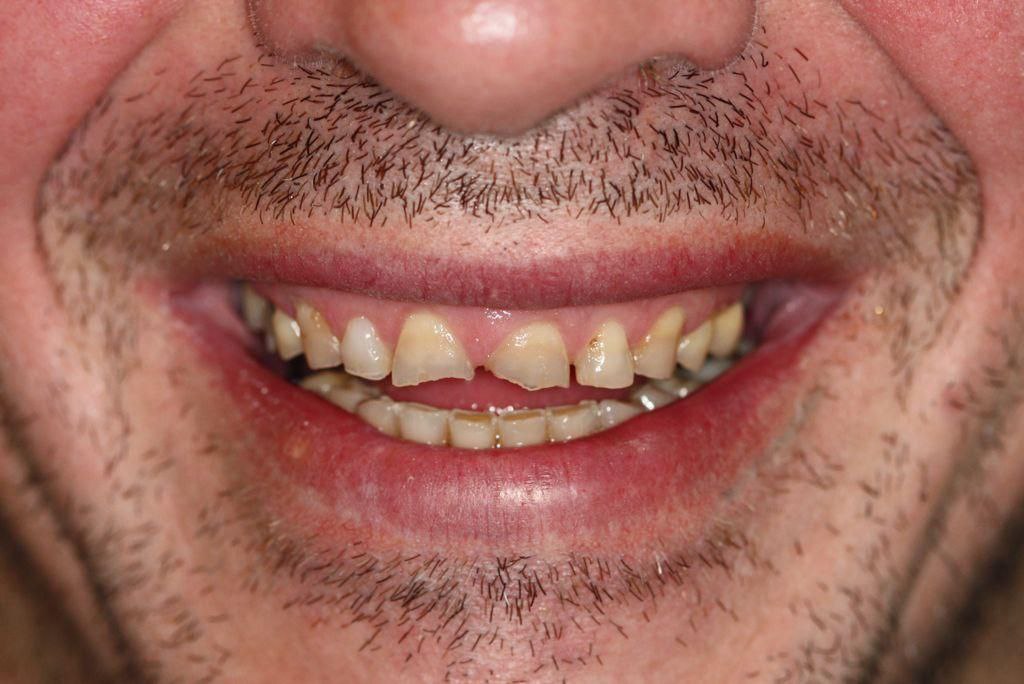
◗ Broken tooth edges that do not follow an even line but an irregular one, with
fractures
◗ Alterations and/or loss of dental enamel
◗ Tooth wear, flattened molars
◗ Fractured teeth
◗ Gum trauma
◗ Facial muscle pain, especially in the jaw and when you wake up
◗ Pain when chewing
◗ Headaches, head tension and migraines
◗ Ear pain
◗ Neck pain and tension
◗ Tooth sensitivity to cold and heat
◗ Insomnia
◗ Bad mood and general tension
◗ Gum inflammation and/or recession (gums that have pulled back, exposing the root of the
tooth)
◗ Loss of tooth tissue at the necks of the teeth (an area where stress
concentrates during clenching, causing loss of tooth structure)
◗ Often your partner is the first to notice, because of the unpleasant noise
made by grinding your teeth
Do you want to be treated by the best dentists in Madrid? Free first consultation

CAUSES OF BRUXISM
Studies show that the causes of bruxism today have a lot to do with the increase in anxiety and stress in industrialized and developed populations.
◗ Poor tooth alignment
◗ Stress
◗ Anxiety
◗ Worry
◗ Aggressiveness
◗ Bad sleeping and eating habits
◗ Introverted people who find it hard to express their feelings
◗ Genetic factors
◗ Nervousness
◗ Insomnia
◗ Excessive consumption of coffee, tea, alcohol, tobacco, drugs
TREATMENT FOR BRUXISM IN MADRID
GENERAL CONCEPTS OF TREATMENT
A thorough assessment of each case will determine the treatment to follow. Generally, we make a custom dental guard (occlusal splint) to stop the damage to the teeth and relieve muscle tension. It should be worn while sleeping.
Mild stage: occlusal splint (night guard).
Advanced stage: full-mouth rehabilitation with crowns to restore the worn tooth tissue and reduce bruxism.
This restores healthy biomechanical function to the mouth. At the end of treatment, the patient will wear a relaxation splint.
TREATMENT PHASES
The first step is to relieve the acute pain in the patient’s muscles. To do this, we use anti-inflammatories, muscle relaxants and manual therapy sessions such as physical therapy and special massages, one of the most effective methods at our practice, which has a protocol for treating this condition with lymphatic drainage massage and acupressure.
Once we have resolved the patient’s acute pain, we go on to determine, based on how far the tooth wear has progressed, whether we can treat it with just a relaxation or occlusal splint (early stage) and massage, or whether all of the patient’s teeth need comprehensive treatment (grade II and III wear facets).

HOME REMEDIES AND GOOD HABITS AGAINST BRUXISM
We dentists will not only offer you solutions to your bruxism problems; we can also advise you on healthy practices and lifestyle habits that will considerably ease the problems this dental condition causes.
◗ Relaxation exercises such as Facial Yoga or Shiatsu
◗ Applying ice or hot compresses to the area where the pain occurs
◗ Take a relaxing candlelight bath with your favorite music just before going to sleep
◗ Scent your bedroom with aromatherapy and take all electronic devices out of it: the farther away, the better
◗ Avoid stimulants such as coffee, tea, Coca-Cola…
◗ Make yourself an infusion of Valerian, Passionflower, St. John’s Wort and/or Chamomile with Mint, Honey or Anise
◗ Avoid tobacco and stay away from smoke
◗ Avoid using the computer
◗ Play a sport you enjoy, preferably outdoors
◗ Avoid eating hard and sweet foods
◗ Drink a lot of water
◗ Massage the painful areas in front of a mirror, or lying on the
floor
◗ Try to sleep well: good sleep hygiene largely prevents the damage caused by teeth grinding

CAN BRUXISM BE CURED?
The latest studies conclude that there is no treatment that can eradicate this condition, since it originates in the central nervous system. Therefore, all we can do is improve the patient’s situation with palliative treatments, such as an occlusal splint or full-mouth rehabilitation, depending on the degree of tooth wear.
It is true, however, that manual massage therapies performed by an expert are a great help in combating bruxism and tension in general, showing truly significant results in just a couple of sessions. Treating stress and anxiety can also reduce bruxism considerably.
Another option may be orthodontic treatment of the bite pattern to adjust or properly align the teeth and, lastly, surgery.
OCCLUSAL SPLINT OR FULL-MOUTH REHABILITATION?
The most appropriate way to weigh one treatment option against the other is to determine the wear according to the classification: grade I, II or III.
When a patient’s wear facets are grade I (only the tooth enamel is worn, without reaching the dentin), the right treatment is an occlusal splint and massage.
If a patient has grade II or III wear facets (the wear reaches the dentin), they should be treated with full- or partial-coverage ceramic restorations in lithium disilicate (currently the most suitable material).
The aim is to cover the structure of the permanent teeth to protect it from progressive, accelerated wear, because in a grade II or III wear facet the enamel has disappeared, exposing the dentin, a soft organic tissue with little resistance to the friction forces it is subjected to.
The patient’s tooth wear becomes 100 times faster once the enamel has disappeared and the dentin is exposed, and it will continue this way until the final stage: wear down to the nerve, the dental pulp, and the end of that tooth. This is something we must never allow to happen, under any circumstances.
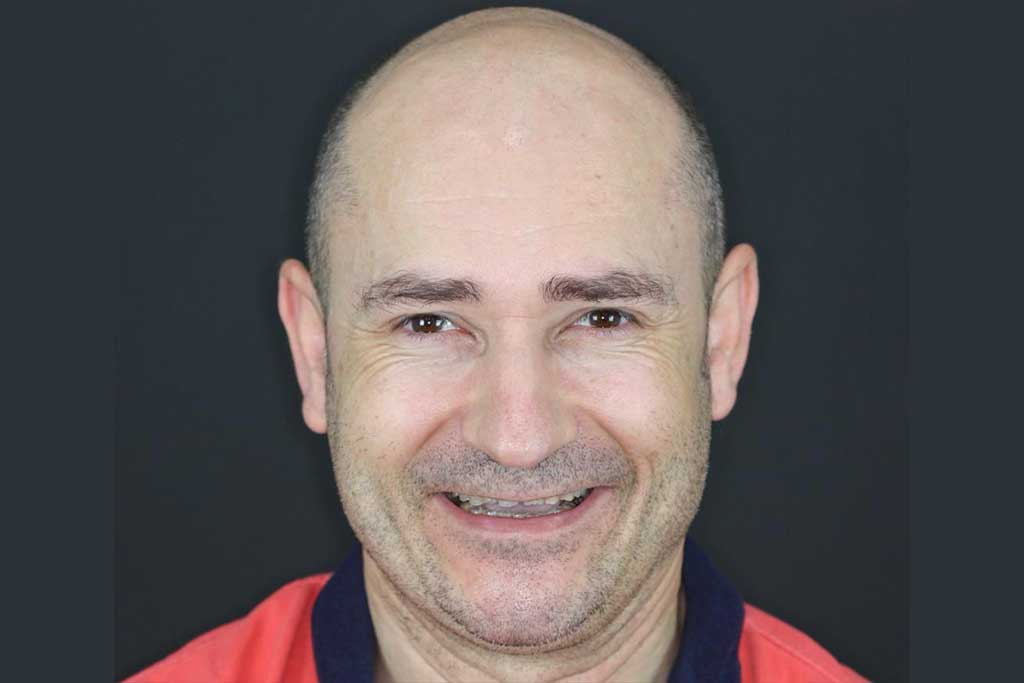
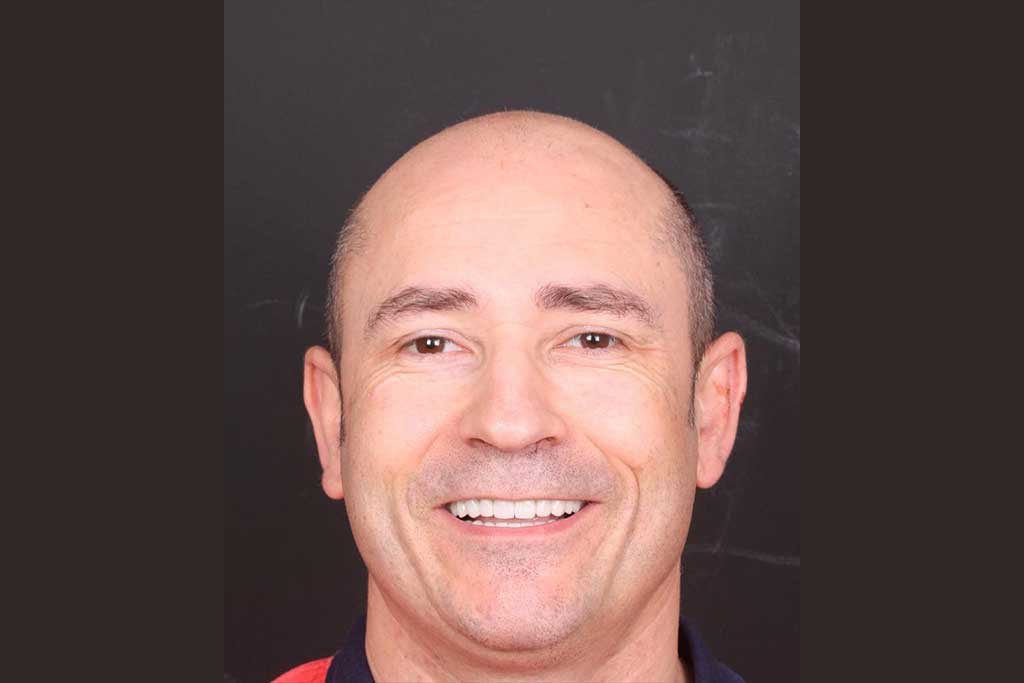
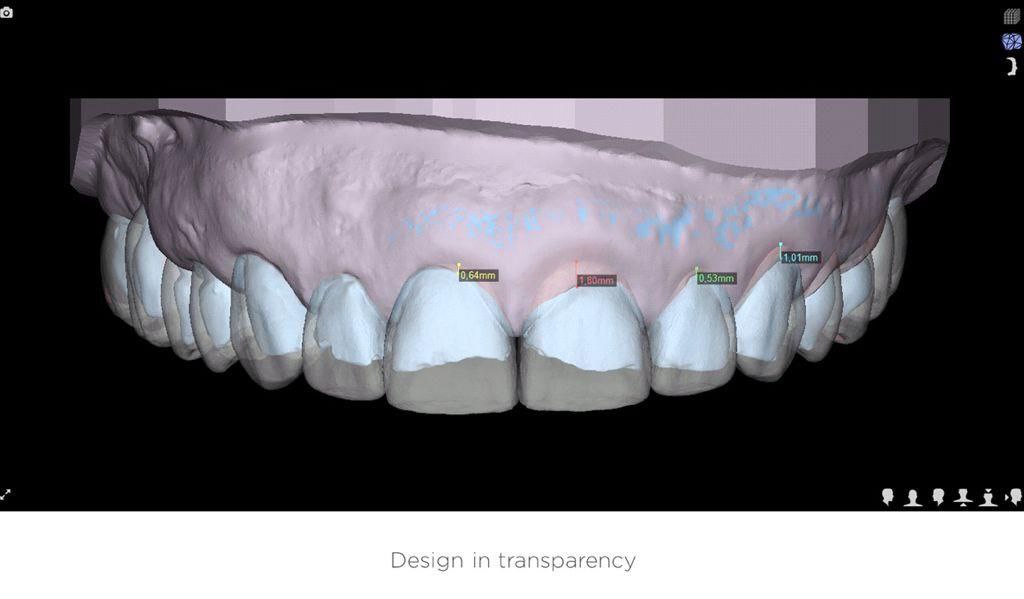
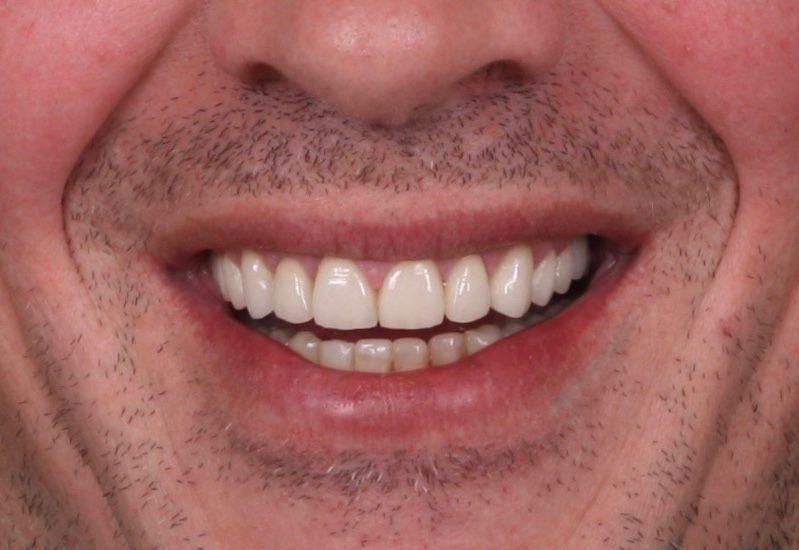
BRUXISM: BEFORE AND AFTER
Before and after photos of dental bruxism treatment.
Do you want to know more about our bruxism treatment?
Book a FREE, no-obligation appointment with our specialist to assess your case personally and explain the benefits you can achieve.
BRUXISM TESTIMONIALS IN MADRID

Fixed implants in one session
Fixed implants in one session. In a single session we gave Carmen her smile back. See how we did it.
Carmen

One Day Teeth®
Dr. Fernando Soria is an expert in restoring smiles. With “One Day Teeth” you get your teeth repaired in a single day.
Anibal

Bruxism and veneers
Dr. Soria has given Carmen her confidence back: she feels happy and rejuvenated, and her fear of smiling is a thing of the past.
Carmen Pérez